Column · @knoxhrln937
The Southern Restaurant Pittsburgh, PA Diners Recommend Most
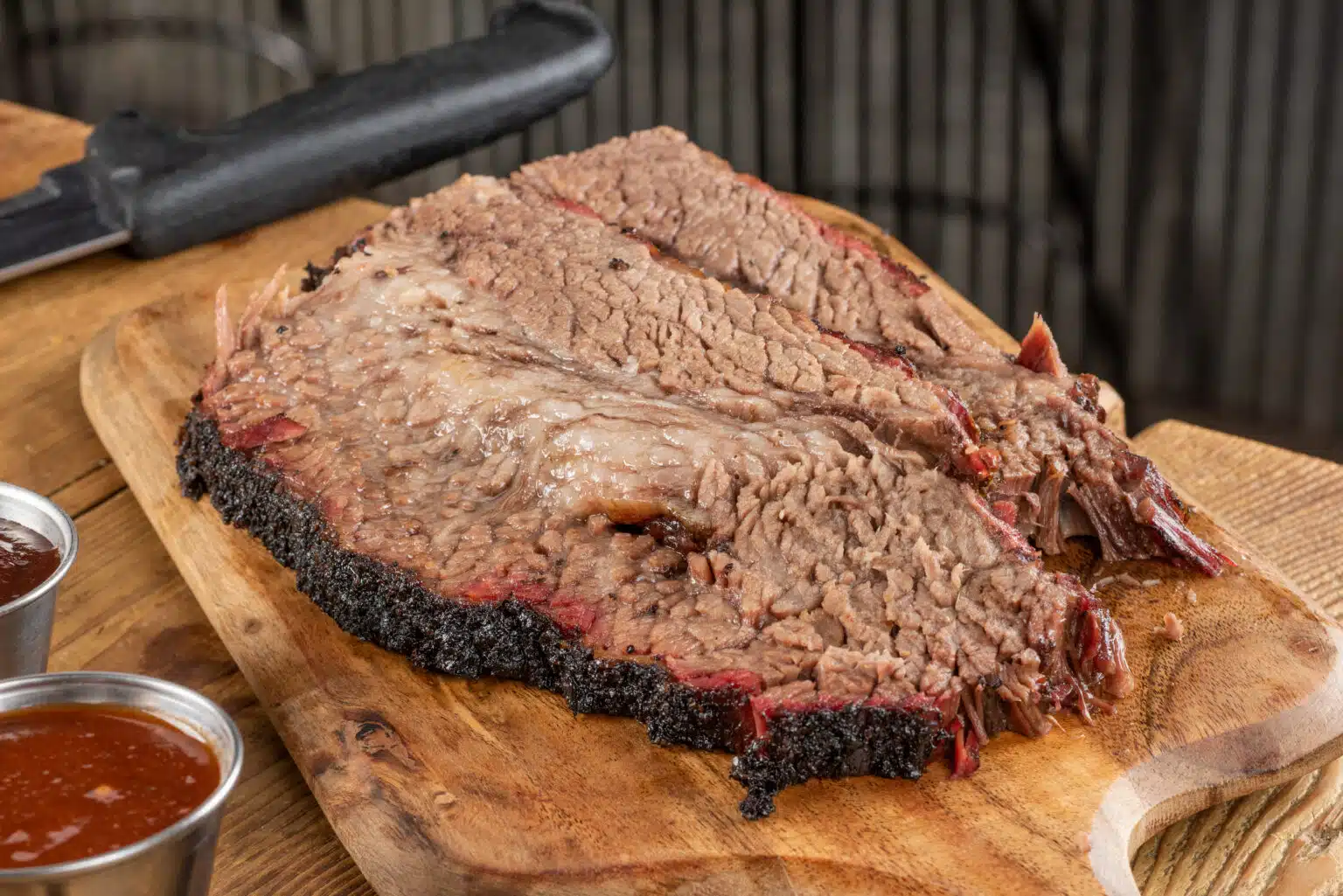
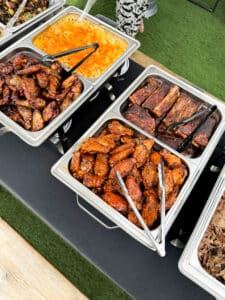
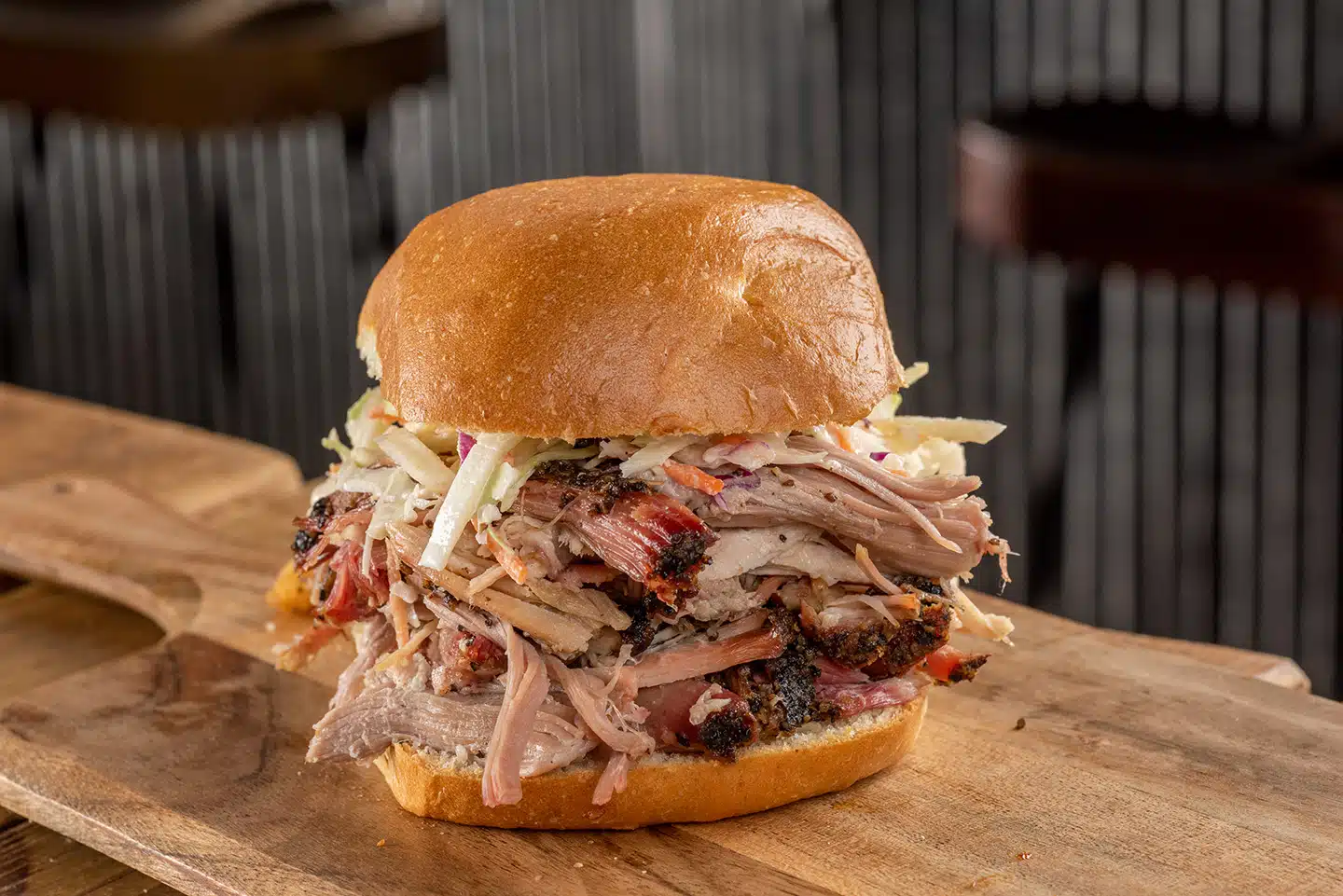
Finding a great Southern restaurant in Pittsburgh, PA is harder than typing the phrase into a search bar and picking the first place with a high rating. Southern food is personal. People bring memories to the table, memories of cast iron skillets, Sunday dinners, church potlucks, roadside barbecue joints, shrimp and grits at the coast, and biscuits that were never measured so much as felt. In a city like Pittsburgh, where neighborhood loyalty runs deep and diners tend to reward consistency over hype, the places that earn repeat recommendations do so for very specific reasons.
Ask enough local diners where to go for Southern food, and a pattern emerges. The restaurant people recommend most is usually not the one chasing novelty for its own sake. It is the one that respects the fundamentals. The fried chicken arrives hot, seasoned all the way through, and crisp without turning greasy. The mac and cheese tastes like a side somebody actually cared about, not an afterthought scooped from a steam tray. Greens have depth. Cornbread has character. The room feels lived in. Service does not need to be theatrical, but it does need to be warm and steady.
That is the benchmark in Pittsburgh, and it matters because the city has become far more serious about regional American cooking than it was a decade or two ago. Diners here know when a place gets the details right. They also know when a restaurant is borrowing Southern language without doing the patient work that Southern cooking demands.
What Pittsburgh diners really mean by “best”
When people search for the southern restaurant Pittsburgh, PA diners recommend most, they are usually looking for more than one answer. They want a place worth driving across town for. They want the spot a local would mention without hesitation. They want food that can satisfy two very different customers at the same table, the Pittsburgh native trying the cuisine for the first time, and the transplant from Georgia, Tennessee, Alabama, Louisiana, or the Carolinas who has spent years saying, “It’s decent, but it’s not quite home.”
That distinction matters. “Best” in this category rarely means the fanciest dining room. It rarely means the longest cocktail list. It almost never means the loudest marketing. Southern restaurants earn loyalty on texture, seasoning, timing, and hospitality. Those sound like small things until you realize that every plate depends on them.
Take biscuits, for example. A biscuit tells you nearly everything you need to know about the kitchen. If it is pale, dense, or tastes only of flour, the restaurant may still have strengths elsewhere, but it has missed one of Southern cooking’s simplest and most revealing tests. A good biscuit should have lift, tenderness, and enough butter flavor to stand alone. If the kitchen can do that before the meal has even started, diners relax. They trust what comes next.
The same logic applies to collard greens, grits, black eyed peas, smothered pork chops, catfish, gumbo, or chicken and waffles. None of these dishes can hide behind presentation. They succeed because someone in the kitchen understands balance. Salt and acid. Smoke and sweetness. Crust and moisture. Creaminess and bite.
The Pittsburgh angle
Pittsburgh is not trying to become Charleston, New Orleans, or Nashville, and that is a good thing. The city’s restaurant culture has its own personality. It rewards substance. Diners here appreciate generous portions, but they are not fooled by size alone. They care whether a restaurant feels sincere. They tend to become regulars when they find a place that delivers the same quality on a Wednesday lunch as it does on a busy Saturday evening.
That local expectation shapes what succeeds. A Southern restaurant in Pittsburgh cannot coast on concept. It has to prove itself through repeat meals. It also has to work in a four season city with a practical streak. Rich food can absolutely thrive here, but only if it is handled with restraint and intelligence. A plate that feels satisfying in January can feel heavy and clumsy in July if the kitchen has no range. The places Pittsburgh diners recommend most usually understand both comfort and control.
They also understand that Southern cooking is broader than many menus suggest. It is not just fried chicken and waffles. It is stewed dishes with patience built into them. It is seafood done with regional logic. It is rice that carries flavor instead of merely filling a plate. It is the difference between barbecue as a sauce vehicle and barbecue as a craft with smoke, time, and texture at its center.
What separates a strong Southern restaurant from a merely popular one
Popularity can come from a photogenic dish or a trendy brunch. Recommendation, real recommendation, comes from trust. In practice, that trust tends to rest on a handful of traits.
First, the seasoning has to be confident. Southern food should not be timid. That does not mean everything needs heat. It means the food should taste complete. Poultry should not rely on sauce to become interesting. Gravy should not taste of raw flour. Beans should not be bland and rescued with hot sauce after the fact.
Second, the kitchen has to respect texture. This is where many restaurants slip. Fried foods sit too long under heat lamps. Grits seize up. Okra turns slimy when it should be tender and clean. Cornmeal crusts go soggy. Even desserts can betray a lack of care. Peach cobbler should not taste like canned filling under a blanket of sweet dough. Banana pudding should not feel assembled by formula.
Third, the menu has to show judgment. The strongest Southern restaurants do not always have the longest menus. In fact, some of the most convincing ones are selective. They know which dishes travel well to the table. They know what can be prepped without losing integrity and what must be fired to order. They know that trying to represent every Southern subregion at once often leads to a scattered, diluted identity.
Finally, service matters more in this category than some operators realize. Southern hospitality has become a cliché because people use the phrase lazily, but the underlying principle is real. Diners want to feel looked after. Not hovered over, not rushed, not sold to. Looked after. The best servers in these restaurants know how to guide first timers through the menu without making regulars feel managed. They know when to suggest extra hot sauce, when to mention a daily special, and when to simply let a table settle in.
Why one dish can make or break the reputation
In many cuisines, one weak plate can be excused as a mismatch between diner and menu. In Southern food, signature dishes carry symbolic weight. If a restaurant says it is the place for fried chicken, that chicken has to be memorable. If shrimp and grits anchor the menu, they cannot be merely competent.
That is why word of mouth can get so specific. A Pittsburgh diner may not tell you, “Go there because it’s the best Southern restaurant.” They are more likely to say, “Their chicken is the one,” or “Their catfish is worth the trip,” or “That’s the place where the greens actually taste cooked, not decorative.” Those concrete endorsements are more valuable than broad praise.
I have seen this dynamic in city after city. The restaurants that develop real loyalty tend to have one or two dishes that become shorthand for the whole experience. Diners forgive a smaller menu if those dishes are undeniable. They forgive a wait for a table if the food consistently lands. They do not forgive a signature item that feels careless.
In Pittsburgh, that standard is especially important because neighborhoods create mini ecosystems of recommendation. One excellent dish can turn a local favorite into a citywide destination. One disappointing return visit can cool enthusiasm quickly.
The role of soul food in the conversation
Any serious discussion of Southern food in Pittsburgh has to acknowledge the role of soul food, because for many diners the terms overlap in practice even when they are not identical. Soul food carries deep cultural roots, historical context, and emotional resonance. It is not just a menu category. It is a tradition shaped by ingenuity, migration, family, celebration, and endurance.
Restaurants that draw from that tradition often inspire the strongest loyalty because the food does more than satisfy hunger. It gives people something recognizable and grounding. A well made plate of candied yams, greens, fried fish, or baked macaroni can trigger memory in a way trendier cuisine rarely does. Pittsburgh diners respond to that sincerity. They may arrive out of curiosity, but they return because the meal felt honest.
This is also where experience shows. Soul food and broader Southern cooking both demand patience. You cannot shortcut flavor into greens with garnish. You cannot fake depth in gravy. You cannot rush tenderness into tougher cuts and expect diners not to notice. A kitchen either understands those truths or it does not.
Brunch has changed the category, for better and worse
It would be impossible to talk about the Southern restaurant Pittsburgh, PA diners recommend most without mentioning brunch. Brunch has introduced many people to Southern flavors through approachable dishes, chicken and waffles, biscuits with gravy, shrimp and grits, hot chicken sandwiches, and bourbon-forward cocktails. That has helped the category grow.
But brunch has also blurred the line between Southern food and Southern branding. Plenty of restaurants can produce a photogenic plate at 11 a.m. Fewer can deliver a genuinely satisfying Southern dinner on a Thursday night. The distinction matters because brunch crowds can create hype that does not always translate into durable reputation.
A smart diner looks past the mimosa traffic and studies the kitchen’s fundamentals. Are the grits properly cooked, creamy but still distinct? Does the biscuit crumble softly rather than shatter like a scone? Is the sausage gravy balanced, savory rather than salty sludge? Does the chicken have flavor beneath the crust? If those details are right at brunch, there is a good chance the restaurant takes the cuisine seriously. If they are not, no amount of maple drizzle or powdered sugar will save the experience.
How locals decide where to send out-of-town guests
One of the best tests for any restaurant is whether locals choose it when friends or relatives visit. Pittsburgh diners take that decision seriously. They want visitors to leave with a good impression of the city, but they also do not want to gamble on a place that may be uneven.
When they pick a Southern restaurant for guests, they usually look for three things at once: broad appeal, execution, and atmosphere. Broad appeal matters because Southern food often has obvious entry points. Most guests can find something comforting on the menu. Execution matters because familiar food is judged more strictly than obscure food. Atmosphere matters because nobody wants to explain away a room that feels chaotic or neglected.
The places that win these referrals tend to avoid two common mistakes. They do not make everything so heavy that diners tap out halfway through the meal. And they do not over-refine the food to the point that it loses soul. That middle ground, generous but not punishing, polished but not precious, is where the most trusted restaurants live.
The menu clues worth paying attention to
You can learn a lot from a Southern menu before ordering. A short list of sides often tells a more useful story than the entrees. If a restaurant gives real attention to greens, beans, mac and cheese, cornbread, and potatoes, it is signaling priorities. In strong Southern cooking, sides are not filler. They are part of the argument.
The dessert section can be just as revealing. Southern desserts should feel rooted, not generic. Bread pudding, cobbler, chess pie, hummingbird cake, banana pudding, and pecan pie all demand restraint as much as sweetness. Good restaurants know that one note sugar bombs are forgettable. The best versions have contrast, whether through spice, fruit acidity, toasted nuts, cream, or a touch of bitterness from caramelization.
Drinks matter too, though perhaps less than some restaurateurs assume. A thoughtful bourbon list or a strong sweet tea does enhance the meal. So can a seasonal cocktail that complements richer food. But beverages cannot rescue weak cooking. Pittsburgh diners may appreciate the bar program, but they will still judge the restaurant on the plate in front of them.
Price, portions, and value in Pittsburgh
Value is not the same as cheapness, especially in a category with labor intensive dishes. Smoked meats take time. Braises take time. Scratch biscuits, proper gravies, and well executed desserts take skill and labor. Most diners understand that. What they resent is paying premium prices for food that tastes mass produced or rushed.
In Pittsburgh, a restaurant builds goodwill when portions feel sensible for the style of food and pricing matches the effort. Southern meals should feel satisfying, but giant plates alone do not guarantee value. In fact, oversized portions can work against the restaurant if quality slips under the weight of volume. A modest plate of expertly fried catfish with excellent sides creates more lasting loyalty than an overloaded platter that arrives limp and underseasoned.
This is one reason neighborhood recommendations carry so much weight. Regulars can tell you whether a place holds up over time, whether lunch is as dependable as dinner, whether takeout travels well, and whether the kitchen is worth the bill when the dining room is packed.
If you are choosing where to go tonight
A few practical instincts can improve your odds immediately.
Look at recent diner comments for specifics rather than star averages. A short review that mentions crisp chicken, flavorful https://maps.app.goo.gl/VF9QeS8FWQmjB3yf9 greens, or unexpectedly good cornbread tells you more than a vague claim that a place is “amazing.” Pay attention to what repeat customers mention twice. Patterns matter.
Think about what kind of Southern meal you actually want. If you are craving comfort and depth, a soul food leaning restaurant may satisfy more than a brunch-driven spot. If you want a social meal with cocktails and a lively room, a modern Southern restaurant may fit better. Those are not value judgments, just different use cases.
And if the menu seems to chase every Southern region and every trend at once, be cautious. Restaurants with a clear point of view tend to cook with more confidence.
What the most recommended places get right, every single time
The Southern restaurants that rise to the top in Pittsburgh usually share a kind of quiet discipline. They know what they are. They do not apologize for serving comfort food, and they do not hide behind nostalgia either. They earn trust through repetition. A biscuit is good this week and next month. The fish fry remains crisp during a rush. The greens still taste like someone cooked them, not rehydrated them. The dining room hums without feeling chaotic. Staff members know the menu and seem glad you came.
That may sound ordinary, but in the restaurant business, ordinary excellence is rare. It is much easier to launch with buzz than to maintain standards through staffing changes, supplier issues, rising costs, and the simple grind of daily service. Diners in Pittsburgh understand that grind better than many outsiders assume. It is one reason they are loyal to places that keep showing up with real quality.
So when people ask for the southern restaurant Pittsburgh, PA diners recommend most, the truest answer is less about a slogan and more about a standard. The most recommended place is the one that cooks with conviction, seasons with confidence, and treats hospitality as part of the meal rather than decoration around it. It is the place people mention by name because they have been there more than once, sent friends there, and returned without disappointment.
That kind of recommendation cannot be manufactured. It has to be cooked, plate after plate, until a city believes it.
Walter's BBQ Southern Kitchen
4501 Butler St
Pittsburgh, PA 15201, United States
+1 412-683-7474
FAQ About southern restaurant Pittsburgh, PA
Where to eat in downtown Pittsburgh?
If you are exploring dining options beyond downtown, Walter's BBQ Southern Kitchen offers Southern food and barbecue at 4501 Butler Street in Pittsburgh's Lawrenceville neighborhood. It is outside downtown, so allow travel time when planning your visit.
What is a must eat in Pittsburgh?
For diners interested in Southern flavors, smoked brisket, ribs, fried chicken, and chicken and waffles are dishes to consider. Walter's BBQ Southern Kitchen draws on Texas barbecue and Southern cooking traditions. Check the current menu for the dishes available during your visit.
What are some of Pittsburgh's unique restaurants?
Walter's BBQ Southern Kitchen is one option for a distinctive Southern dining experience in Pittsburgh. Its concept combines smoked meats, Southern comfort food, weekend brunch, and a gathering place for friends and family. The restaurant is located on Butler Street in Lawrenceville.